Packing for a Three-Day Trip with One Outfit Anchor
Packing for a three-day trip with one outfit anchor helps you create distinct looks from familiar pieces, with less guesswork and no shopping list.
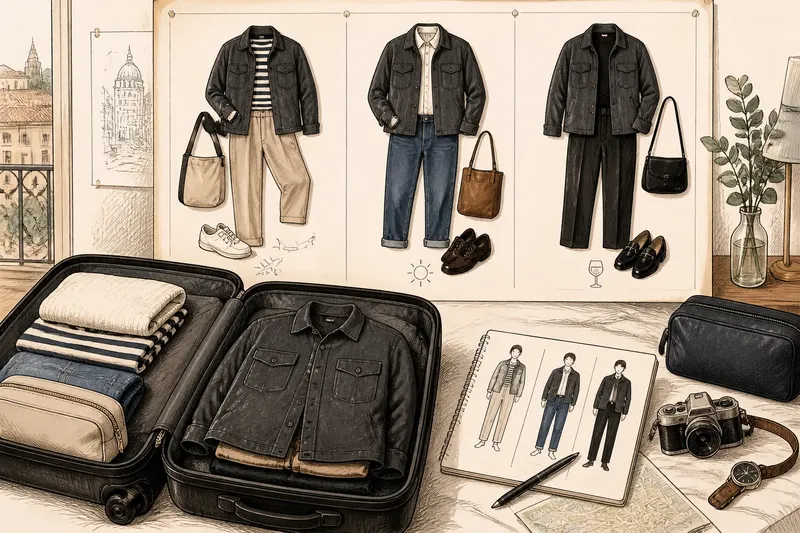
Packing for a three-day trip with one outfit anchor is easier when you choose a garment that can change character with its companions. Start with a jacket, trousers, dress or overshirt you already wear comfortably, then build three combinations that suit the plans rather than packing three complete outfits.
The anchor is not necessarily the boldest piece or the one you wear most often. It is the garment that gives the other pieces a clear point of connection: a colour, a texture, a shape or a level of formality. The aim is to make each combination feel intentional while keeping the case small.
What makes a useful outfit anchor?
Choose a garment that works with at least two different kinds of companion. A soft navy blazer, for instance, might sit over a fine-knit top for travel, a crisp shirt for dinner and a simple T-shirt for a daytime outing. A patterned dress could instead be the anchor, with layers and shoes changing its mood.
Think about the trip before you choose. A linen jacket may suit a warm city break but feel awkward on a windy coastal walk; dark trousers may be practical for varied plans but less helpful if the itinerary centres on outdoor activity. Check the forecast and the places you expect to visit, then select a garment that fits the actual conditions.
Use three tests:
- Comfort: Can you sit, walk and move in it without fuss?
- Compatibility: Does it work with pieces you already own, rather than needing a new purchase?
- Character: Can a change of layer, footwear or proportion make it look different?
Do not force an awkward piece into the role simply because it seems versatile on paper. If you keep adjusting it, avoid wearing it or cannot imagine a second combination, choose a more dependable garment.
How do you build three distinct combinations?
Give each day or occasion a different purpose. One outfit can be relaxed and suitable for the journey, another can handle the main daytime plan, and a third can feel a little sharper for an evening. The anchor connects them; the supporting pieces create the distinction.
- Set the anchor: Lay out the garment and note its colour, texture, shape and formality.
- Choose a base: Pick a top or lower half that gives the anchor a comfortable starting point.
- Change one strong element: Swap a layer, silhouette, shoe or colour family to give the next combination a different emphasis.
- Check the whole look: Try each combination on, including the shoes and outer layer you expect to wear.
- Remove duplication: If two outfits look and feel nearly identical, change one companion rather than adding a full extra outfit.
Say you are taking a charcoal overshirt. For travel, wear it open over a striped cotton top with relaxed trousers; for a daytime visit, button it over a pale shirt with straight-leg jeans; for dinner, wear it over a fine black top with tailored trousers and cleaner shoes. The overshirt stays constant, but the contrast, shape and formality shift enough to give each combination its own purpose.
That example also shows why an anchor need not be a neutral blazer. A useful anchor might be a denim jacket, a knitted vest, a midi skirt or a soft dress. What matters is whether it can join different outfits without making every look read as the same one.
How can one anchor create a different silhouette?
Colour is only one way to vary an outfit. Proportion changes the visual effect just as clearly: a cropped jacket over a long top feels different from the same jacket over a tucked-in shirt. A loose overshirt can balance slim trousers, while an open layer over a straight dress creates a vertical line.
Before packing, look at the outlines rather than the individual garments. Ask whether each outfit has a similar balance of volume, length and structure. If all three are loose, try a more defined base in one combination; if they are all close-fitting, use a roomier layer or wider-leg bottom where it suits your plans.
Texture can do useful work when the colours stay restrained. Denim against fine knit, crisp cotton beside soft wool, or a smooth skirt with a textured jacket adds contrast without requiring another statement piece. Keep the contrast comfortable for the setting: a heavily textured layer may feel out of place in a formal room, while a delicate fabric may not suit a day spent outdoors.
What should you check before closing the case?
Use the outfit combinations as your packing guide, not a separate list of every item you might conceivably need. Lay the pieces together and check that each has a clear job across the three days.
- Weather: Does the anchor work with the outer layer you need for the forecast?
- Footwear: Can your chosen shoes handle the expected walking and suit more than one combination?
- Occasions: Is there a suitable option for any stated dress code or planned activity?
- Care: Are the fabrics comfortable to wear and manageable during the trip?
- Repetition: Are you content to wear the anchor more than once, and does it remain fresh enough for the later combination?
- Gaps: Is an essential layer, undergarment or accessory missing from the outfits you have actually assembled?
Check care labels and follow garment or footwear instructions when laundering or packing needs depend on them. Otherwise, focus on the practical question: can you wear each planned combination as it stands, without hoping to find a missing piece after arrival?
It is not worth packing extra accessories to rescue an outfit that does not work. A scarf, necklace or belt can adjust the finish, but it cannot make an uncomfortable garment suitable for the day. Bring accessories only when you already know how they fit into a combination.
Which choices help when plans change?
Travel plans can shift, so leave room for a modest adjustment rather than trying to prepare a separate outfit for every possibility. A layer that works indoors and outdoors, or a top that can be worn beneath the anchor and on its own, gives you options without adding another complete look.
Keep the anchor’s limits in view. A pale jacket may be less convenient for a messy outdoor activity; a thin dress may need a layer if the evening turns cool. If the forecast or itinerary makes the chosen garment unsuitable, replace the anchor before packing rather than carrying a backup wardrobe around it.
A simple rule helps: change the smallest element that solves the problem. If a daytime plan becomes more formal, switch to a sharper top or shoes if you have packed them for another combination. If the weather changes, add the layer already serving another outfit. This keeps the clothes working together instead of multiplying into unrelated options.
What do travellers often ask about an outfit anchor?
Can the outfit anchor be worn on the journey?
Yes, if it is comfortable and suits the travel conditions. Wearing a bulky anchor can also leave more room in your case, but choose comfort over saving space if the garment restricts movement or is awkward to manage.
Should every outfit use the same colours?
No. Shared colours can make combinations easier, but texture, formality and shape can connect pieces too. A small, deliberate contrast often creates more variety than matching every item closely.
What if the trip includes a formal occasion?
Let the occasion set the standard for one combination, then choose an anchor that can meet it without looking out of place. If the dress code calls for a specific garment, treat that requirement as the starting point and build the other looks around pieces that still suit it.
How do you choose between two possible anchors?
Try each one with the same supporting pieces and compare the completed outfits, not just the garments on a hanger. Keep the anchor that produces more comfortable, distinct combinations for the plans you actually have.
Packing for a three-day trip with one outfit anchor works best when the anchor serves the itinerary, not an abstract idea of versatility. Set out the finished looks before packing, remove pieces with no clear role and keep one useful layer for changeable conditions. You will arrive with combinations you can recognise and wear, rather than a case of unrelated possibilities.