Why a Shirt Cuff Changes the Shape of a Sleeve
See how shirt cuff width, stiffness and closure shape a sleeve’s outline and movement, so you can read the design and choose a cut that feels right.
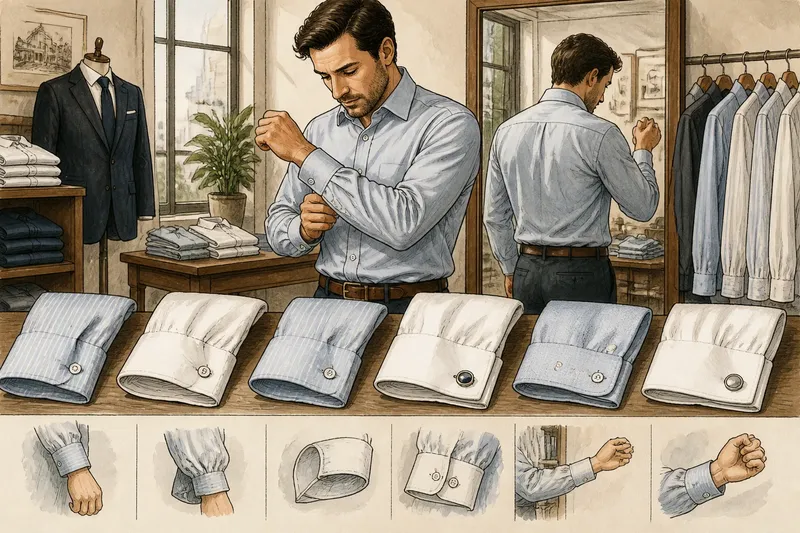
A shirt cuff can make the same sleeve look narrow, relaxed or sharply finished. To understand how a shirt cuff changes the shape of a sleeve, look at the wrist opening as part of the sleeve’s construction, not as an afterthought: its width, firmness and fastening all influence how the fabric hangs and moves.
1. How does cuff width control the sleeve’s outline?
Cuff width determines how much of the wrist the fabric covers and where the sleeve stops. A narrow cuff creates a close finish, making the fabric above it appear gathered or tapered. A broader cuff extends farther up the forearm and gives the lower sleeve a more substantial endpoint.
Look at the cuff in relation to the sleeve, rather than judging its width alone. A roomy sleeve ending in a narrow cuff may form visible folds just above the wrist. A slim sleeve with a broad cuff can look more deliberate and graphic, because the cuff reads as a clear band rather than a continuation of the sleeve.
For a useful visual check, let your arm hang naturally and see whether the sleeve falls in a smooth line, gathers at the wrist or spreads over the cuff. Then bend your elbow. If the cuff pulls against the sleeve or the fabric bunches heavily, the proportions may be affecting movement as well as appearance.
2. What does cuff stiffness do to the sleeve?
A soft cuff follows the wrist and tends to collapse or crease with the rest of the shirt. This gives the sleeve a less rigid outline, especially in lightweight cotton, linen or fluid blends. The fabric can shift as you move, so the cuff may sit at a slightly different angle throughout the day.
A firmer cuff holds its shape more clearly. Interlining inside the cuff adds body, helping the edge remain crisp and making the sleeve appear more controlled at the wrist. That firmness can also make a soft sleeve look neater by providing a stable finish, but it may feel restrictive if the cuff is too close or the material is stiff throughout.
Check the cuff while the shirt is unbuttoned and then fastened. If it folds in on itself when open but forms a clean band when closed, the closure is doing much of the shaping. If it keeps its outline in both positions, the cuff’s construction is contributing more support.
3. How does the closure change fit and movement?
Buttons set the cuff opening at a chosen point around the wrist. Many shirts have a second button position, allowing a closer or looser fit without altering the cuff itself. A close setting reduces excess movement at the wrist; a looser setting gives the hand more room to pass through and can let the sleeve shift more freely.
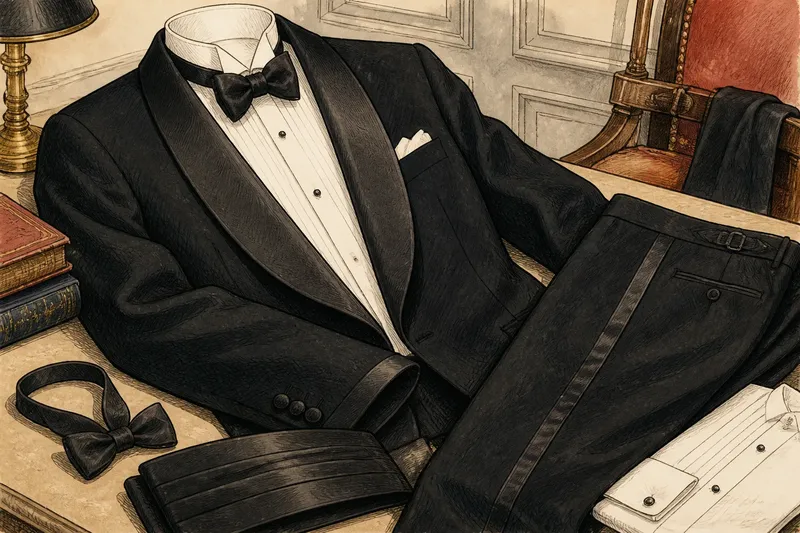
French cuffs fold back and fasten with cufflinks, creating a doubled edge. That folded construction gives the cuff a more pronounced presence and can make the lower sleeve feel firmer. Barrel cuffs, which overlap and fasten with buttons, usually make a simpler, less layered edge. Neither design automatically dictates a particular sleeve shape: the width, fabric and fit still matter.
Closure placement can also affect how the cuff sits. If the button is too far from the opening edge for your wrist, the cuff may rotate or gape. If it is too close, the fabric can press against the wrist or make it awkward to bend the hand. A comfortable fastening should hold the cuff in place without pinning the wrist.
4. How can you read a cuff while trying on a shirt?
Assess the sleeve in motion, not only in front of a mirror. Let your arms rest, reach forward as if taking something from a shelf, and bend your elbows. Notice whether the cuff stays in place, rides up, twists or pulls the sleeve into a tight cluster of folds.
- Check the wrist opening: Can your hand pass through when the cuff is unfastened, and does the fastened cuff sit comfortably?
- Look above the cuff: A few soft folds may be natural; persistent pulling can indicate that the sleeve or cuff is too close.
- Compare both arms: Check whether the cuffs sit at a similar height and angle when your arms hang naturally.
- Move your hands: Reach, bend and turn your wrists to see whether the closure stays secure without restricting movement.
- Inspect the edge: Notice whether the cuff lies flat, rolls inward or collapses. Its behaviour helps reveal how much structure it has.
Say you are choosing between two otherwise similar shirts: one has a narrow, soft cuff, and the other has a wider, interlined cuff. If the first gathers neatly and stays comfortable as you bend your arm, it may give the relaxed outline you want. If the second remains flat and does not press on your wrist, its firmer finish may suit a cleaner sleeve line.
5. Which cuff details should you notice first?
Start with three visible clues: the cuff’s width, how firmly it holds a shape, and where the fastener sits. Then relate those details to the sleeve fabric and cut. A soft, wide sleeve can make a firm cuff look especially distinct; a narrow sleeve may make the same cuff seem more integrated.
Also notice how much of the cuff is meant to show beneath a jacket. A crisp cuff that extends beyond a jacket sleeve creates a visible edge, while a softer finish may sit less prominently. The jacket and shirt should allow the cuff to appear without making the shirt sleeve bunch or the jacket sleeve ride up.
It is not worth trying to judge a cuff by a decorative button alone. Buttons can be changed or positioned for appearance, but the cuff’s construction and fit determine how it holds the sleeve. Focus on what the fabric does when fastened and while you move.
What do people ask about shirt cuffs?
Should a shirt cuff feel tight?
It should stay in place without pressing into the wrist or making hand movement uncomfortable. Try the shirt fastened, then bend and turn your wrist to check how the cuff behaves.
Why does a sleeve bunch above the cuff?
Some folds are part of a sleeve’s shape, particularly when a fuller sleeve narrows towards the wrist. Heavy bunching or pulling can also mean the cuff opening or sleeve is too close for your arm.
What is the difference between a barrel cuff and a French cuff?
A barrel cuff overlaps and fastens with buttons, while a French cuff folds back and uses cufflinks. The folded construction gives the French cuff a thicker edge, though the overall sleeve shape still depends on its cut and fabric.
Can a cuff change how formal a shirt looks?
It can affect the impression: a crisp, structured cuff often looks more polished, while a softer one can seem more relaxed. The rest of the shirt and what you wear it with also influence the overall effect.
When you next assess a shirt cuff, watch the sleeve from shoulder to wrist as you move. Width sets the endpoint, stiffness supports the edge and closure controls how the opening sits; together, those details make the sleeve’s outline easier to read and its comfort easier to judge.