The Dress-Code Mistake of Taking Every Word Literally
Read dress-code phrases as cues to formality and setting, so you can choose an outfit that fits the invitation without treating every word as a rule.

A dress code is a clue to the event’s level of formality, not a shopping list of compulsory items. Read dress-code phrases in the context of the invitation, venue and occasion, and you are less likely to mistake a familiar expression for a rigid rule.
What does a dress-code phrase actually tell you?
Most dress-code wording sets a boundary: how polished, relaxed or ceremonial the hosts expect guests to look. It rarely identifies one exact garment that every attendee must wear. “Cocktail attire”, for instance, signals a dressed-up social occasion; it does not mean that a particular dress length or colour is mandatory.
Think of the phrase as one part of a message. The event itself tells you what guests are gathering for, the venue suggests how formal the surroundings may feel, and the invitation’s tone offers a further clue. A short, informal note for a garden party may point towards a different interpretation of the same phrase on an invitation to an evening reception.
That does not mean every phrase is vague. “Black tie” names a recognisable level of evening formality, and some invitations state specific requirements. But even then, translating the code into an outfit involves choices about fit, fabric, colour and what you already own. The useful question is not “Which single item does this word demand?” but “What overall impression does the host mean?”
How should you read an invitation before choosing clothes?
Read the wording from the widest clue to the narrowest. First identify the occasion and time of day; then note the location; finally consider the exact dress-code phrase and any extra instructions. This order helps you avoid letting one ambiguous adjective outweigh more practical information.
- Identify the occasion. A work reception, wedding ceremony, birthday dinner and fundraising evening each carry different expectations, even if the wording overlaps.
- Notice the time. An afternoon gathering and a late-evening event can call for different levels of polish.
- Consider the setting. A hotel ballroom, country garden, restaurant terrace and community hall each shape what looks appropriate and comfortable.
- Look for direct instructions. A stated uniform, cultural request or venue restriction matters more than a general phrase such as “smart”.
- Read the tone. A formal printed invitation and a casual message may use the same words but communicate different expectations.
Then check that the clues agree. If an invitation says “smart casual” for a daytime event at a relaxed restaurant, a neat shirt or blouse, considered trousers or a skirt, and clean shoes may fit the tone. If the same phrase appears on a formal work event invitation, a more structured jacket or polished dress may be the safer reading.
Say you receive an invitation to an evening birthday dinner at a neighbourhood restaurant, with “dress to impress” in the message. The phrase does not require sequins or a suit. You might choose a well-fitting dark jacket, a simple top, tailored trousers and shoes you can comfortably wear through dinner; the result is visibly polished without treating a playful phrase as a uniform.
Does the venue matter more than the dress-code label?
The venue is a useful reality check, but it does not cancel the wording. A beachside setting may make formal footwear impractical, while a ceremony held there may still call for an elegant outfit. Read both clues together and look for a choice that respects the occasion without fighting the physical setting.
Consider how the place will affect movement and comfort. Grass, gravel, stairs, crowded rooms and outdoor weather can all influence sensible fabric and footwear choices. These practical details do not automatically make an event casual; they help you interpret how to meet the stated level of formality in a workable way.
Also distinguish between a venue’s atmosphere and its rules. A restaurant may feel relaxed but still require guests to follow a dress policy. If the invitation gives a specific restriction, or the venue publishes one, take that instruction at face value rather than assuming the setting makes it optional.
What do common dress-code phrases usually imply?
Use common phrases as starting points, not definitions that settle every detail. Their meaning can shift by host, culture, venue and type of event, so look for the shared signal: how dressed-up should the outfit feel?
- Casual: Relaxed clothing is generally expected, but the event can still call for clean, intentional choices rather than gym wear or anything visibly worn out.
- Smart casual: Combine relaxed pieces with a more finished element, such as a neat jacket, crisp shirt, tailored trousers or polished shoes.
- Business casual: Aim for work-appropriate clothing that is less formal than a suit. The expected standard depends on the workplace and event, so a host’s examples can help.
- Cocktail attire: Choose an evening-ready, polished look suitable for a social occasion. A tailored suit, an elegant dress or a coordinated alternative can all work.
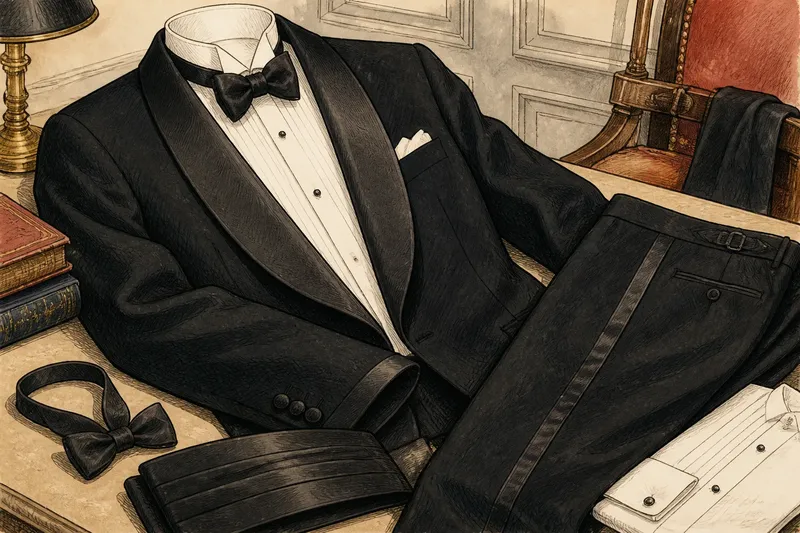
- Black tie: Treat this as a formal evening code. Use established formalwear conventions as a guide, and check the invitation for any stated variation.
The least useful response is to chase a literal word into an unnecessary purchase. If “cocktail” makes you think of one narrow garment, pause and consider the event’s overall formality. A well-fitting outfit in a refined fabric can communicate the right level just as clearly as a conventional choice.
What should you do when the wording is unclear?
Ask the host or organiser when the ambiguity could lead to a substantially different outfit. A short, considerate question is easier to answer than a detailed list of garments: “Would you describe the evening as more cocktail or smart casual?” That gives the host a clear choice without asking them to style you.
If asking is not practical, choose an outfit that sits comfortably within the likely range. Keep its main pieces polished and use a removable layer, such as a blazer or cardigan, to adjust the level of formality. This is a flexible response to uncertainty, not an excuse to ignore an explicit dress code.
For an event with cultural, religious or workplace expectations, do not assume that general fashion conventions cover every detail. Check any instructions provided by the organisers and, where needed, ask someone familiar with that setting. Respectful interpretation matters more than guessing what a phrase means in another context.
How can you interpret a dress code without overthinking it?
Translate the phrase into three practical decisions: how polished the outfit should look, which pieces suit the setting, and what level of comfort the event requires. This keeps your attention on the outfit as a whole rather than on whether one item matches a word literally.
Try this quick sequence when getting dressed:
- Underline the strongest clue. Identify the clearest signal in the wording, such as a named formal code or a direct instruction.
- Pair it with the occasion. Decide whether the gathering is ceremonial, professional, social or relaxed.
- Picture the setting. Account for the venue and how guests will move through it.
- Choose a coherent outfit. Check that the pieces share a similar level of polish, rather than mixing one very formal item with several very casual ones by accident.
- Make a final adjustment. Add or remove a layer, change footwear or choose a more refined accessory if the outfit feels too relaxed or too formal.
For example, imagine an invitation that reads “garden party, smart casual” and names a lawn venue. You could choose a neat shirt, lightweight trousers and clean loafers, then avoid delicate heels or heavy outerwear if they would make the setting awkward. The outfit responds to both the wording and the place without turning “garden” into a rule that every guest must wear floral print.
Which questions help settle the tricky details?
Can you wear trousers to a cocktail-attire event?
Yes, if they look polished enough for the occasion and work with the rest of the outfit. Tailored trousers with a refined top or jacket can communicate the same dressed-up intent as a dress.
Does smart casual mean you must wear a jacket?
No. A jacket is one way to add structure, not an automatic requirement. A crisp shirt, well-cut trousers and clean, considered footwear may create the right impression without one.
What if the invitation gives no dress code?
Use the occasion, time and venue to estimate the expected formality, then choose a tidy outfit that fits those clues. If you are close to the hosts or organiser, ask whether they expect anything beyond ordinary event-appropriate clothing.
Should you follow a dress code if you dislike its usual look?
Respect the level of formality while choosing details that suit you, such as a different silhouette, colour or accessory. If the invitation includes a specific requirement you cannot or do not wish to follow, speak to the organiser rather than silently assuming it does not apply.
When is a literal reading still the right choice?
Take wording literally when it is direct, specific and presented as a requirement. Requests for a uniform, a particular type of attire, covered shoulders, or clothing needed for a stated activity are not simply hints about mood. The invitation or organiser should make clear whether the request is mandatory or a preference.
Where the answer depends on the invitation’s exact wording, the organiser’s instructions, the venue’s policy or local rules, check that source directly. This matters especially for ceremony protocols, workplace functions and events with access or participation requirements.
It is not worth decoding every adjective as if it contained a hidden dress code. Spend your effort on the clear signals, the setting and whether the outfit looks deliberate from head to toe. Read dress-code phrases as guidance about the event’s formality, and let that interpretation shape your choices without letting one word dictate every garment.